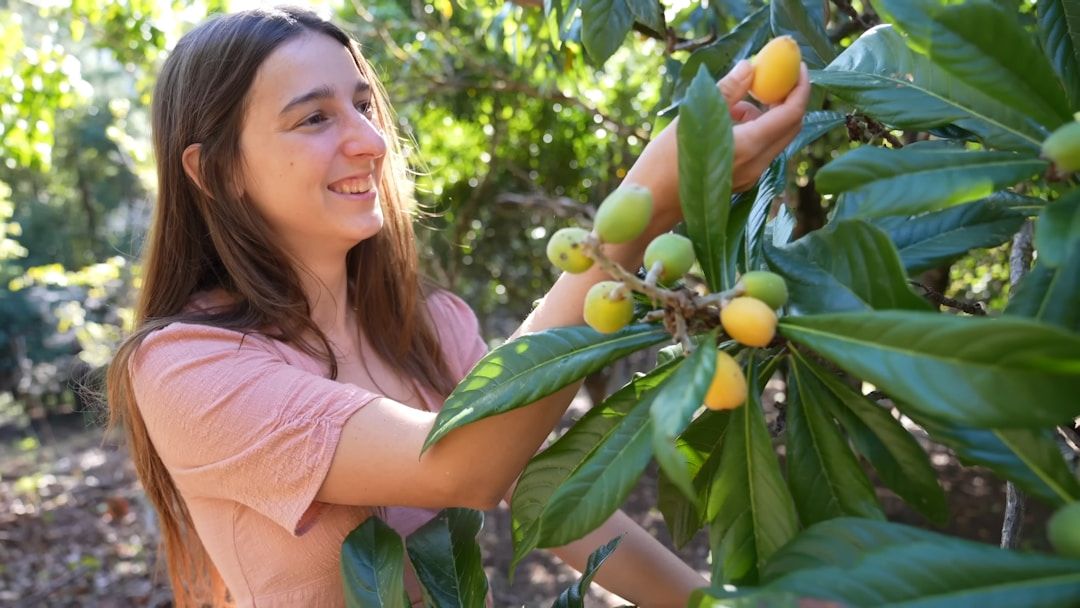
Late summer is a season of ripening. The forceful growth of spring and early summer begins to settle, fruit grows heavy on the branch, and the first signs of harvest appear. In Daoist practice, this transitional period is associated with the Earth phase: nourishment, stability, balance, and the ability to receive and transform experience.
This is not the time to push relentlessly for more growth. What has already been cultivated now needs steady care. In qigong training, that may mean refining familiar movements rather than constantly adding new forms. We can soften unnecessary effort, improve alignment, and let the breath become quiet and even. Repetition allows the benefits of earlier practice to consolidate.
Late summer also invites us to notice what truly sustains us. Regular meals, sufficient rest, moderate exercise, and time spent outdoors can support a grounded rhythm. Practice may emphasize centered standing, gentle abdominal breathing, smooth weight shifts, and movements that gather attention toward the middle of the body. The aim is neither heaviness nor stillness for its own sake, but a calm center from which change can be met.
Earth also teaches discernment. A field cannot nourish every plant equally, and we cannot carry every project, habit, or obligation into the next season. Maintaining what has grown includes removing what drains resources without bearing fruit. It asks us to choose what deserves continued care.
Harvest depends not only on planting and growth, but on patient tending. By stabilizing our practice now—without grasping, forcing, or scattering our energy—we prepare to recognize, gather, and preserve what has matured. Late summer reminds us that abundance becomes useful when it is received with gratitude, organized with wisdom, and shared in the proper season.
The IMQC is dedicated to providing high quality Medical Qigong instruction for students all over the world. The IMQC is a federal non-profit public benefit corporation 501(c)(3) operating under the auspices of the Temple of Peace and Virtue.