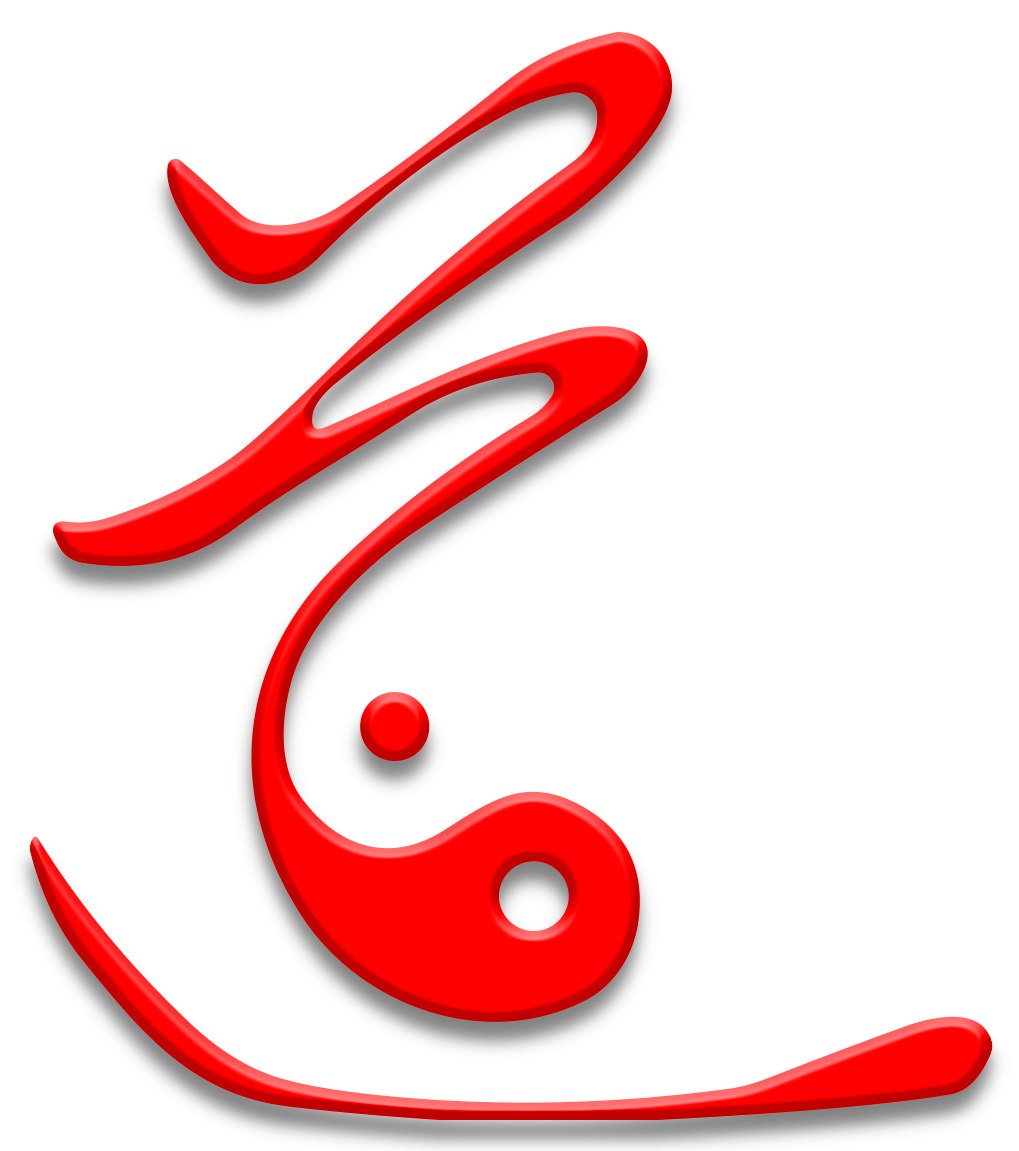
安 Ān is calm under a roof — protection that allows presence.
Modern trauma science and Daoist / Medical Qigong both teach the same basic truth: the body must feel safe before healing or spiritual growth can happen. Calm comes before clarity.
Stephen Porges’s polyvagal theory explains that the nervous system has three main states. One is a state of safety and connection, where we feel calm, open, and able to relate to others. The second is fight-or-flight, where we feel anxious, tense, and on guard. The third is shutdown or freeze, where we feel numb, tired, or disconnected.
Trauma pushes the body into the defensive states. Some people stay stuck in anxiety and hypervigilance, while feel shut down or emotionally flat. Both are survival responses. Yet, neither supports healing or spiritual integration.
Daoism describes similar patterns using the language of Qi and spirit. When someone is anxious and overstimulated, Qi rises upward and becomes unsettled. The spirit (Shen) cannot rest. When someone is shut down, Qi stagnates and vitality weakens. In both cases, balance is lost.
Being settled in Daoism, called means calm, stable, and at ease. The character 安, ān, combines:
宀 — roof
女 — woman
The traditional image suggests “a woman under a roof,” symbolizing being housed, protected, and at rest. The core idea is being safely contained. Not movement. Not agitation. Not threat.
So the base meaning is safety + calm + stability within shelter.
This state is similar to what modern science calls nervous system regulation. In this condition, the breath is slow and deep. The heart beats steadily. The eyes soften. Digestion improves. The mind becomes clear without being tense. The body feels grounded and present.
The Huangdi Neijing teaches that when Qi is disturbed and the body’s protective energy is weak, the spirit becomes unsettled. When we feel exposed or unsafe, even meditation can feel overwhelming. Spiritual practice without safety can increase instability instead of healing.
Trauma therapist Peter Levine says that trauma must first be worked through the body. If the nervous system is dysregulated, talking about painful memories can make things worse. The body must first learn that the present moment is safe.
Medical Qigong training says the same thing in different words: first regulate the breath. Then settle the Qi. Root awareness in the lower Dāntián (lower abdominal area). Only after the body is calm can deeper spiritual clarity arise.
Both science and Daoism agree: safety is not just a feeling or idea. It is a physical state. It lives in the breath, the heartbeat, and the nervous system.
Without safety, healing cannot begin. With safety, everything else becomes possible.
If you would like to learn how to put these practices into action, join us for the “Journey to Forgiveness” from March through September, as we unravel the layers of heart wounds resolving deep trauma and revealing untapped wisdom.
The IMQC is dedicated to providing high quality Medical Qigong instruction for students all over the world. The IMQC is a federal non-profit public benefit corporation 501(c)(3) operating under the auspices of the Temple of Peace and Virtue.